Mt. Manaslu Expedition (8163m)
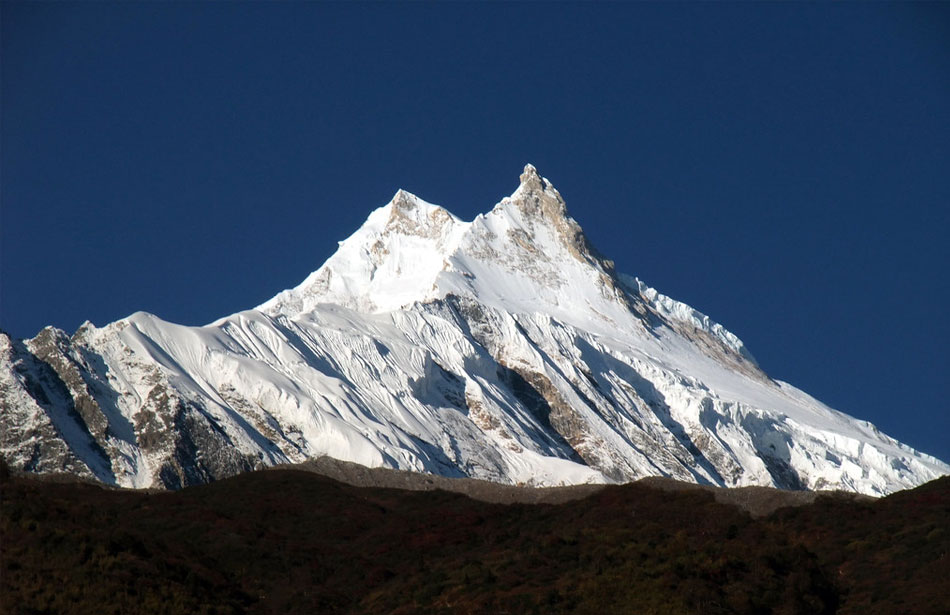
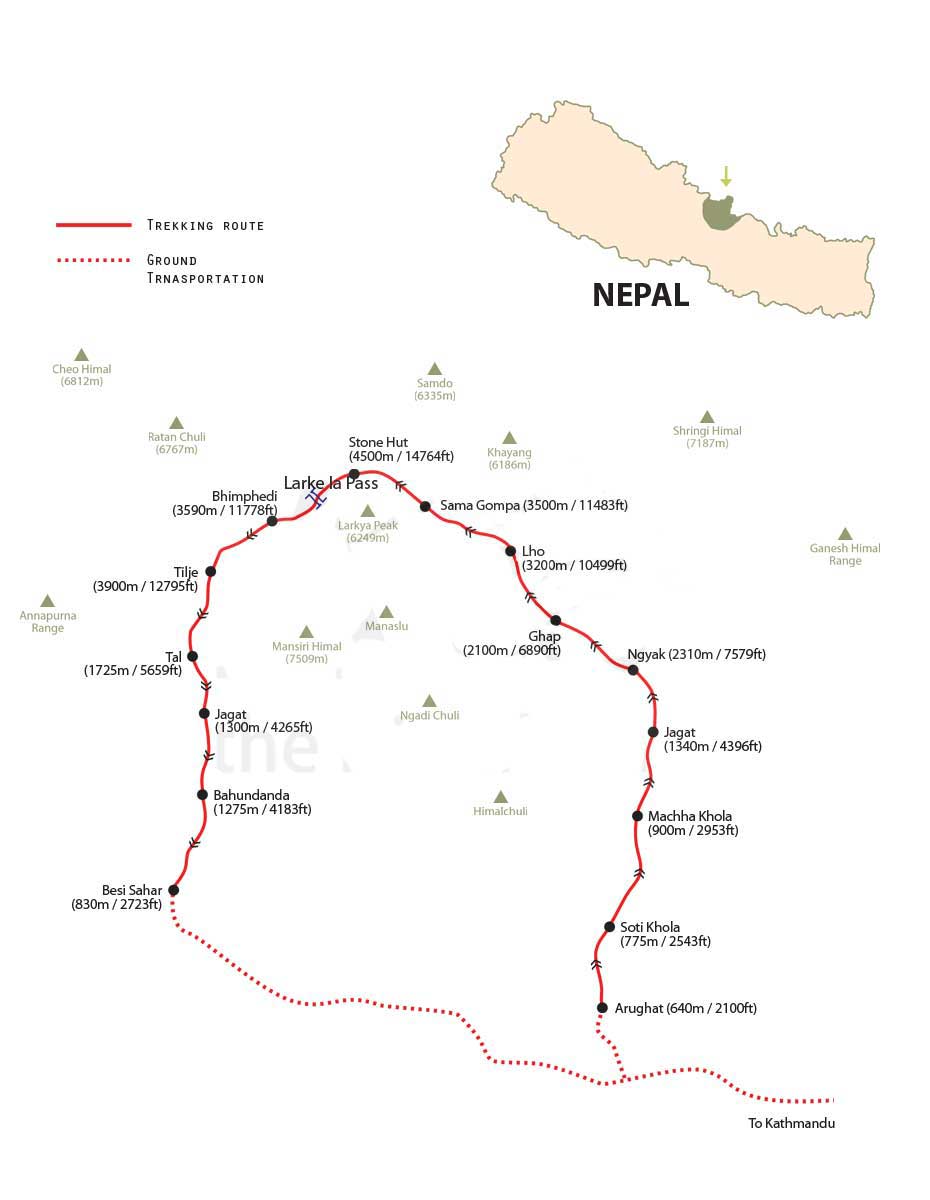
Mt. Manaslu (8,163m / 26,781ft) Located 28.32.58 longitude and 83.33.43 latitude Manaslu is situated in the central region of Nepal in the Gorkha massif is the eighth highest mountain in the world. The name Manaslu was derived from the Sanskrit word “Maanas” meaning “soul” or “intellect”. Japanese were the first to climb Manslu Mountain in 1956, therefore it is still considered as Japanese peak by many people. Though there are many routes to Manslu mountaineering , as the long ridge Manaslu base camp and valley glacier offer feasibility to approach from different directions, but South Face is considered to be the most difficult. Our caravan route to this mountain begins from Gorkha to Samagaon and the return route via the Larky La/ Larky pass trekking to the Annapurna classic route , making the expedition one of the memorable one for Mt. Manaslu climbing. Manaslu (8163m) have summated in 1956 by a Japanese expedition team. Its name comes from the Sanskrit word manasa, meaning “intelligence” or ” soul”. Just as the British considered Everest their mountain.
Manaslu has always been a Japanese mountain. HW Tillman and Jimmy Roberts photographed Manaslu during a trek in 1950. But the first real survey of the peak was made by a Japanese expedition in 1952. A Japanese team made the first serious attempt on the peak from the Budhi Gandaki valley in 1953. When another team followed in 1954, the villagers of Samagaon told them the first team had been responsible for an avalanche that destroyed a monastery and refused to let the 1954 expedition. The expedition set off to climb Ganesh Himal instead. Despite a large donation for the rebuilding of the monastery, subsequent Japanese expeditions, including the one that made the first ascent in 1956, took place in an atmosphere of animosity and mistrust. The second successful Japanese expedition was in 1971. There was a South Korean attempt in 1971 and in April 1972 an avalanche that killed five climbers and 10 Sherpas ended the second made the fourth ascent of Manaslu as a member of a Tyrolean expedition that climbed from the Marshyangdi valley in 1972.
Day 1: Arrival in Kathmandu (1,334m) – 30 mins drive to Hotel
You land in Kathmandu, the vibrant capital of Nepal, where the Himalayan air and bustling streets instantly set the mood for adventure. After airport pickup, you head to your hotel for a warm welcome and a short rest. The afternoon is usually free, giving you time to relax or explore the local area. Kathmandu offers a colorful mix of culture, markets, and friendly people. In the evening, your trekking guide provides a short briefing about the Makalu Trek. Later, you can stroll through Thamel, enjoy dinner, and prepare for the days ahead. Your journey officially begins here.
Day 2: Kathmandu Sightseeing and Cultural Tour (1,334m) – 5–6 hrs
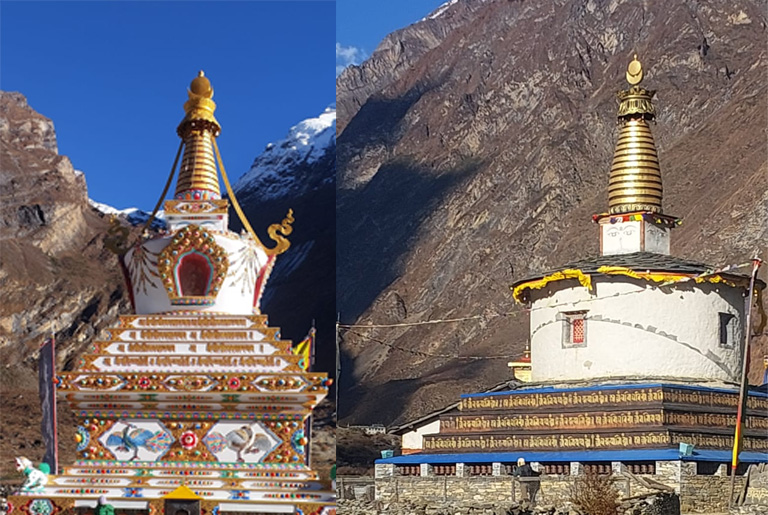
Today is dedicated to exploring Kathmandu’s rich heritage, which includes UNESCO World Heritage Sites. You visit iconic landmarks such as Swayambhunath, Pashupatinath, and Boudhanath. Each site reflects Nepal’s deep spiritual traditions and living culture. The guided tour helps you understand the religious importance and historic architecture. After sightseeing, you return to your hotel to finalize trek permits and preparations. The evening offers time to organize gear or enjoy a quiet dinner. This day helps you ease into Nepal’s rhythm before the mountains call.
Day 3: Drive from Kathmandu to Bandipur (1,030m) – 6–7 hrs drive
A scenic drive takes you from Kathmandu toward the charming hillside town of Bandipur. The route winds along rivers, terraced fields, and beautiful countryside views. Bandipur is known for its preserved Newari architecture and panoramic Himalayan ridges. After checking into your lodge, you can walk around the stone-paved streets and admire the peaceful ambiance. The sunset view over the hills is especially memorable. This day offers a calm transition from the busy capital to a quieter mid-hill environment. Rest well for the next day’s journey.
Day 4: Drive to Khorla Besi (970m) – 7–8 hrs drive
Your morning begins with a long but scenic drive toward Khorla Besi. The road moves deeper into the hills, following rivers and lush jungle landscapes. Small settlements, waterfalls, and traditional villages fill the journey with variety. Khorla Besi lies beside the Budhi Gandaki River, offering a peaceful riverside setting. Upon arrival, you settle into your lodge and enjoy the mountain atmosphere. The sound of the river and distant hills prepares you for the trekking days ahead. This is your final day on the road before the trail begins.
Day 5: Trek from Khorla Besi to Jagat (1,340m) – 6–7 hrs trek
Your first trekking day starts by walking along the Budhi Gandaki River. The trail passes through small settlements, stone steps, and lush forest. You cross several suspension bridges that add adventure to the route. The climb gradually becomes steeper as you reach Tatopani, known for its natural hot springs. After a short rest, you continue toward Jagat, a charming Gurung village with carved stone gates. The landscape grows greener and more dramatic along the way. You end the day in Jagat, a key checkpoint on the trail.
Day 6: Trek from Jagat to Deng (1,800m) – 6–7 hrs trek
Today’s trail follows a mix of stone paths, forest sections, and riverside routes. You pass through Philim, a beautiful village with terraced fields and traditional homes. The scenery becomes more rugged as you move toward the Budhi Gandaki’s narrow gorge. Waterfalls and rocky slopes surround the trail, creating a dramatic valley atmosphere. You continue through Ekle Bhatti and cross several long bridges. As the altitude rises, the air feels cooler and fresher. You reach Deng in the evening, a peaceful village with stunning mountain backdrops.
Day 7: Trek from Deng to Namrung (2,630m) – 6–7 hrs trek
The trek begins with gentle uphill sections through pine forests and small settlements. You cross the river several times as the valley opens up to wider views. Along the way, the trail passes through Rana and Bihi, where Tibetan influence becomes noticeable. Prayer flags, mani walls, and stone-carved scriptures appear along the path. The route continues steadily uphill into lush forests filled with birds and running streams. As you reach Namrung, the views of Siringi Himal and Ganesh Himal become spectacular. This highland village offers a quiet, scenic overnight stay.
Day 8: Trek from Namrung to Shyala (3,500m) – 5–6 hrs trek
Today’s walk is filled with cultural and natural beauty. You hike through Lho, a beautiful village known for its large monastery and stunning views of Manaslu. The trail runs through forested paths with glimpses of snow peaks. As you gain altitude, the vegetation becomes thinner and the air cooler. The approach to Shyala opens up to panoramic mountains in all directions. You can see Manaslu, Himalchuli, and other peaks standing tall above the valley. Shyala offers a peaceful and scenic stay surrounded by alpine landscapes.
Day 9: Shyala to Sama Gaun (3,530m) via Pungen Gumba – 6–7 hrs trek
The trail today takes you toward Pungen Gumba, a spiritual monastery with remarkable mountain views. The side hike offers a closer look at Manaslu’s glacier-filled slopes. After exploring the monastery, you descend back to the main trail and continue toward Sama Gaun. The village is one of the most beautiful settlements of the region, surrounded by fields and high peaks. You walk through open meadows and wide valleys with fresh mountain air. Sama Gaun offers traditional Tibetan culture and peaceful surroundings. This is an important acclimatization point before higher altitudes.
Day 10: Acclimatization Day in Sama Gaun (3,530 m)
Today is dedicated to proper acclimatization in Sama Gaun, one of the most picturesque villages along the Manaslu route. After breakfast, you’ll head out for a gentle 4–5 hour acclimatization hike toward nearby viewpoints that offer clear sights of Manaslu, Naike Peak, and the surrounding glaciers. This hike helps your body adjust to the increasing altitude, improving oxygen efficiency and reducing the risk of altitude sickness. You’ll return to the village for lunch and spend the afternoon exploring local monasteries, traditional houses, and the rich Tibetan-influenced culture of the region. The extra time here allows you to rest while still keeping your body active. As evening settles in, you’ll enjoy a warm meal and prepare for the higher sections of the expedition. This crucial acclimatization day builds a strong foundation for the upcoming ascent.
Day 11: Trek to Manaslu Base Camp (4,800 m) | 5–6 Hours
The trail from Samagaun to Manaslu Base Camp begins with a gradual but steady ascent through open alpine meadows and glacial moraines. As you climb higher, panoramic views of Manaslu, Naike Peak, and the surrounding icefall become more dramatic. The air grows thinner, and the terrain shifts from grassland to rocky and snowy sections, helping your body adjust to increasing altitude. You’ll trek at a controlled pace to minimize the risk of altitude sickness. The final approach to Base Camp rewards you with breathtaking 360-degree Himalayan vistas. Upon arrival at 4,800 meters, the expedition team sets up your tented accommodation. This is your first night at Base Camp, where you settle into the high-altitude routine and begin preparations for the climbing phase.
Day 12: Puja Ceremony at Manaslu Base Camp (4,800 m) | Acclimatization Day
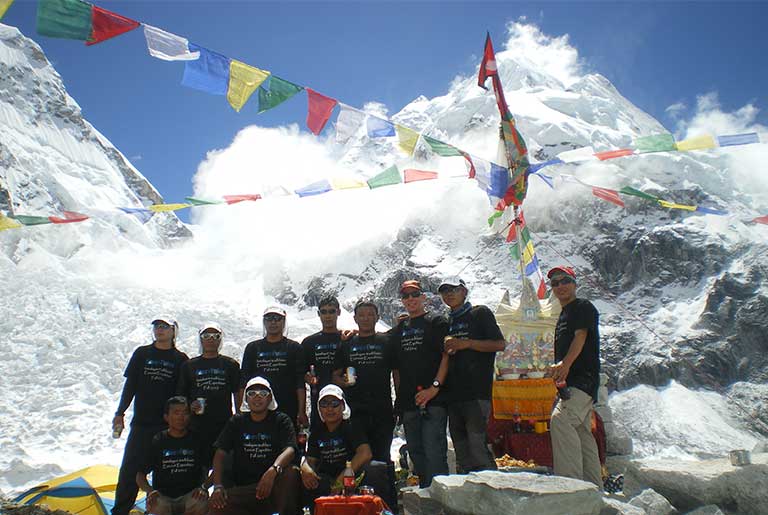
This day is dedicated to the traditional Puja Ceremony, an essential part of every Himalayan expedition. Early in the morning, the climbing Sherpa team prepares a sacred altar decorated with prayer flags, incense, and offerings to the mountain deities. The ceremony is performed by a Lama to bless the expedition, ensuring safety, good weather, and successful summit progress. Climbers gather around the altar to receive blessings, offer Khatas, and participate in cultural rituals. This ceremony helps build team spirit and mental confidence before stepping into the higher camps. The remainder of the day is spent resting, acclimatizing, organizing technical climbing gear, and reviewing the climbing strategy. Staying at 4,800 meters strengthens your acclimatization as you prepare for rotations to higher camps.
Day 13–40: Climbing Period – Conquering Mt. Manaslu (8,163 m)
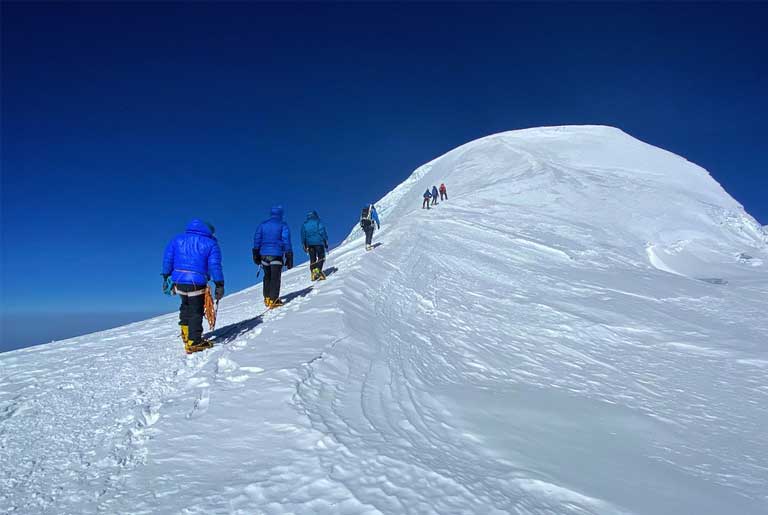
This period is dedicated to ascending Mt. Manaslu through established camps—Camp I (5,700 m), Camp II (6,400 m), Camp III (6,800 m), and Camp IV (7,400 m)—before reaching the summit. The climb involves a combination of ice, snow, and technical glacier travel, requiring steady acclimatization and teamwork. Weather and health determine rotation schedules as you move between camps. The summit day rewards you with an unforgettable 360° view of the Himalayas, including Annapurna and Ganesh Himal ranges. Descend carefully to Base Camp after a triumphant climb.
Day 41: Return Trek to Sama Gaun (3,530 m)
After successfully completing your climb, descend back to Sama Gaun with light steps and a fulfilled spirit. The return offers new perspectives of the landscapes you trekked earlier. Celebrate your achievement with your Sherpa team and enjoy a relaxed evening with local hospitality. Hot showers, hearty food, and the comfort of a bed feel especially rewarding after weeks at high altitude. Overnight at Sama Gaun.
Day 42: Helicopter Flight Back to Kathmandu (1,300 m)
Take a scenic helicopter ride from Sama Gaun to Kathmandu, offering one last look at the majestic Himalayan peaks. Upon arrival, transfer to your hotel and enjoy the comfort of urban life once again. The afternoon is free for rest, shopping, or exploring Thamel’s cafes and souvenir shops. In the evening, attend a farewell dinner celebrating your successful Manaslu ascent. Overnight in Kathmandu.
Day 43: Leisure and Exploration Day in Kathmandu (1,300 m)
Spend your free day exploring more of Kathmandu’s heritage sites or simply relaxing after your adventure. Visit Swayambhunath Stupa (Monkey Temple) or shop for authentic Nepali handicrafts. Optional activities include spa treatments, cultural shows, or café hopping. This is also a good time to reflect on your incredible journey through the Himalayas. Overnight stay in Kathmandu.
Day 44: Departure Day – Transfer to Tribhuvan International Airport
After breakfast, our team will escort you to the airport for your final departure. Take home unforgettable memories of your Mt. Manaslu Expedition and the warm hospitality of Nepal. Exchange farewells with your guide and climbing partners. Our staff ensures smooth airport assistance until check-in. We hope to welcome you again for another Himalayan adventure.
Cost Includes
– 4 nights Kathmandu accommodation
– airport transfer to hotel and welcome dinner
– all necessary climbing and trekking permits
– experienced expedition
– government liaison officer
– Fly in and out by helicopter to Sama gaon and from Samagaoun
– all meals and accommodation during trek to base camp and return
– porter service to carry unlimited
– personal gear to base camp
– fully serviced powered base camp (including personal tent, heated dining tent and communication tent, full satellite
– communication system (pay per use)
– all meals/snacks and hot showers)
– 2-way radio system for all guides to communicate between camps
– team of Sherpa climbing guides to set up and stock all higher camps
– Sherpa guides to carry personal gear to higher camps
– all meals and tents above base camp, minimum 1:1 Sherpa climbing guide on summit day
– maximum oxygen allowance with the TopOut delivery system (allows multiple summit
– attempts), extensive high altitude wilderness first aid kit, porters to carry group equipment
– all group climbing equipment, all other charges for route fixing and expedition duffels
Cost Excludes
– international flights to Kathmandu
– tips and summit bonuses for Sherpa guides
– tourist visa fees
– meals in Kathmandu (USD 10-15 per meal)
– aerated and alcoholic beverages
– personal items (e.g. phone calls, laundry)
– travel insurance (including early departure and mountain search/rescue) and personal climbing gear
How the Expedition will operate?
After meeting all your team and crew in Kathmandu we fly by helicopter or fixed wing plane directly to Lukla and follow the Khumbu Valley to Namche Bazar. Acclimatizing along the way and relishing in the hospitality provided by our Sherpa friends we reach base camp and after some rest and preparation we begin the ascent. Base camp will be a collection of sleeping tents, as well as a large kitchen and dining tent. We utilize the services of specially trained Sherpa cooks and we import a lot of high quality food to supplement the local produce available. The guides and Sherpas will fix rope on the route and stock the camps with provisions and equipment. By utilizing fixed rope we can climb in average weather, and, if necessary descend to base camp with little problem in case of a major storm. Two or three climbing Sherpas will assist with the load carrying but no more will be engaged in order to avoid clogging the route and spoiling the nature of the climb. When the fixed line is in place, and the two camps are established and stocked, we will climb back up the ropes and make a bid for the summit. Sufficient supplies will be available to support all members. Guides and Sherpas will carry all group gear but members are expected to carry their own personal gear. Radios will be used to co-ordinate the movements on the mountain and provide a safety back-up for the lead team. It is reasonable to expect that a strong team can climb this route in around two weeks.
I want to climb Ama Dablam, but there are so many options and the cost seems high! Why should I choose Himalayan Trail Blazer? What makes you different to other companies out there?
As we all know that when you make a decision to climb the mountain it is one of the most financially challenging trips to come on. Our prices compared to other outfitters that provide the same product, services, if not a lesser product are actually less! We invite you to shop around and compare, both in price and quality. We feel strongly that you will find us to be the best in the business.
One of the main things that set us apart is our attention to detail. Nowhere else you will find a team of people more dedicated to your success! From the time you contact the office to the time you step on the mountain, our customer service is the best. Another most important reason to choose is our community service.
Our trip prices are much more reasonable compare to many global based companies; it is not because we are economical in service in which we operate. We are local operator therefore we DO NOT re-sell or use second party or agency. Many international companies will take anything from one third to three quarters of the profits this is how your trip price makes huge unusual.
As the trip is so long, can I bring food and other gear not on the list?
Of course! Most people on the Everest expedition, members end up bringing “the kitchen sink”! We encourage you to bring some of your favorite goodies and tech toys, as base camp will become our home for 2 months or so. The more comfortable you are, the more energy you have for the climb, so every little thing helps!
Is there a private trip option too? If yes, how does that work and what are the costs?
Taking as your Everest expedition is a once in a lifetime experience, we wanted to make sure you have every possible advantage. Some clients enjoy the added privacy and schedule flexibility that a private expedition allows. A private means you will have your own guides, your share of the Sherpa carry staff, a private dining tent, and optional private communication facilities. This allows you to climb at your own pace, and enjoy the mountain on your own terms. The costs vary depending on how many clients there are in your private group. Please contact the office for details.
Are the skills/prior experiences required for this climb?
Simply, You cannot just decide to write a cheque and go and climb Mt. Everest! A comprehensive climbing resume is required to join our team. The most required factor on our ‘Himalayan Trail Blazer Everest Expedition’ is that the participants must have a solid understanding of mountaineering skills. This should include previous high altitude experience of at least 6,000 meters, mixed with a multitude of Alpine mountaineering and, preferably, you will have taken part in a previous 8,000-metre expedition. Please let us know if you want us to arrange training program in some of the 6000 and 7000 meters peaks in Himalaya before your Everest expedition begin. Our Three Peaks Climbing Courses or Pumori Expedition is appropriate for preparing Everest expedition. By our experience we have found that those who have been to 7000 to 8,000-meters peak previously have a considerably better chance of getting to the top of Everest. We would strongly advise you to climb one of the other 7000 or 8,000 meter peaks before going to Everest, as this is the best way of ensuring the money you spend on Everest will be rewarded by a successful ascent and a safe return home. Exceptionally, however, climbers who have not had the chance of climbing 7000 to 8,000 meters peak may consider Everest if they have a compensating depth of experience.
What is the conditioning level needed for this climb?
You should be in the best shape of your life! This is our longest expedition of the year. It requires patience, stamina, mental fortitude, and a strong will. Summit day can sometimes be over 20 hours long! Day by day the challenges are different, but the more prepared you are, both mentally and physically, the smoother your trip will go.
In a team, how many climbers will be on this expedition?
Maximum 10 members can be included on our Himalayan Trail Blazer Everest expedition. This is to ensure that we can maintain safety and our attention on detail. There may be more in base camp and in the camps on the mountain if there are private expeditions, but they will generally travel separately from the main team.
Can I contact other climbers or guides for this expedition?
Yes, we encourage that. Perhaps there may be someone in your area that can become a training partner, perhaps they can help you source some hard to find gear. The bottom line is that it’s a good idea to have some contact with folks that you will share this experience with.
Will I be sharing a tent or room with other climbers? Is there a single room option on this trip?
You will have your own tent in base camp, but on the mountain, you will be sharing a tent with others. We generally book you in to a single room in the hotel in Kathmandu whilst it is twin share in the lodges on the trek into base camp. A single supplement is available. Please contact us for further details.
Is the food in mountain prepared to international standard in terms of safety?
YES, the food is very safe during the trekking and we recommend you to eat the vegetarian and local food.
Is water provided and is there still water available at higher altitudes? Is it filtered/boiled? Readily available?
Bottled water is easily available at the lodges and tea houses. You can buy bottled water at the cost of USD 2 at lower elevations to USD 4 to higher elevation per littler. You can also drink the normal tap or spring water if you bring the purifying aid with you.
What mode of transportation do you use?
Himalayan Trail Blazer is all about providing you with local insights, lifestyle as well as adventure. Depending on the nature of the travel, the transportation to and from the destination varies from domestic flights to vehicular transportation to even piggyback rides on mules and yaks. We provide you only those options which enhance your local experience while allowing you to travel comfortably and efficiently. We use private tourist vehicles for sightseeing, city tours and pickups. Depending on the group size we use cars, minibus, vans or alternatively 4WD SUVs, more maneuverable in travelling along the narrow and bumpy roads of Nepal. All the vehicles are usually air-conditioned unless we are travelling in cooler areas.
For domestic flights (Kathmandu – Lukla – Kathmandu), we use Tara Air, Agni Air -popular domestic airlines.
What is the best season for this trekking?
Every trekking trip up the mighty Mt. Everest presents its own amazing, unforgettable moments that forever live on in the hearts and minds of those brave enough to make the climb. One of the most unpredictable elements of the Everest region is the weather. If you’re not properly prepared for the twists, turns and volatility of the conditions that can occur in this breathtaking region, you might find yourself in an uncomfortable and unpleasant situation. Here are some weather basics to help ensure that you come to the Himalayas as well equipped and prepared to face anything.
Generally speaking, the nights are much cooler than the daytime hours in the Everest region. Many first-time trekkers are surprised to learn about the incredible range that may occur in a given day. During the day, the thermometer could reach temps as high as 25 degrees C, only to dip down as low as -20 degrees C in less than 24 hours. While there’s no way to know exactly what each day in the mountains will bring, the weather and temperature ranges tend to be somewhat predictable based on the month and season.
Spring – March / April / May / June
Spring happens to be one of the best times of the year to visit the Everest region, although because of this, it can become somewhat crowded. One can meet many other Everest climbers during this season and base camp is full of tents. The beautiful clear blue sky can be seen and the many different species of flower are visible in the lower altitude.
During springtime, the average temperature is 17 degrees C with a maximum of 25 degrees C during sunny days and a minimum of -15 degrees C in the morning and at night for areas above 4000 meters.
July / August Through Mid-September is Monsoon Season
This season is not really recommended to travel as it rains in the lower altitudes, below 3500 meters. In areas above 4000 meters, it rains sometimes and although it is also sometimes dry, very few people travel during this season. There are positives to trekking during the monsoon months, however. The excess rainfall can provide ample chance to see spectacular views of the waterfall and it’s also the best season to avoid the crowds. The maximum temperature during the monsoon season averages 25 degrees C during sunny days with a minimum -15 degrees C in the morning and night at areas above 4000 meters. The average temperature tends to hover around a comfortable 18 degrees C.
Autumn – End of September / October / November
Similar to springtime, autumn in the Everest region is also a crowded season, but it’s one of the best times to trek. While it lacks the beauty of flowers, the clear blue sky can be seen, affording incredible views from just about every angle.
The average temperature during the fall is 15 degrees C with a maximum temp of 20 degrees C during sunny days and a minimum of -10 degrees C in the morning and at night, for areas above 4000 meters altitude.
Regardless of time of year, trekkers should always plan accordingly and bring clothing for both cooler and warmer temps. Layering is always recommended, as are pants that can double as shorts. For a full list of clothing and materials to bring to account for various temperatures and weather changes that can occur in the Everest region, visitors should work closely with their travel provider. This will ensure that the adventure will be enjoyable no matter what the weather and that every possible scenario will be accounted for ahead of time.
I m a Vegeterain, is that a Problem ?
No problem at all because the lodges mostly serve the vegetarian meals. We always recommend our clients to eat vegetarian meals to avoid the food poisoning, eating heavy meals and non- vegetarian meals at the high altitude is not really safe for the stomach.
How much should I tip my guide staff?
This is a difficult thing to gauge. We have seen everything from 20USD to 15,000 USD for an Everest expedition tip. Tipping is not must, but a small way to show your guides thanks for their help. The level of the tip should reflect the level of personal involvement with your guide. Recommended tipping and Sherpa bonuses are as follow:
Allow $80-150 for general non-sherpa crew who stay at base camp.
Allow $150-250 for sherpas who go up to the base camp.
Summit climbing Sherpa US$ 400-600 per Sherpa
Do your guides have trekking guide certificates from the Hotel Management and Tourism Center? Have they received first aid training for high altitude?
Yes, they have all received a 45-day training from the Hotel Management and Tourism Center in Nepal. The guides have also received high altitude first aid training from KEEP (Kathmandu Environmental Education Project).
What safety measures are in place? What safety equipment do your guides carry with them on trek to deal with sickness/accidents?
Lorem ipsum dolor sit amet, consectetur adipiscing elit. Ut elit tellus, luctus nec ullamcorper mattis, pulvinar dapibus leo.
Can I add extra days to my trekking trip?
Holiday should never be about making it to the final point quickly. Along your trek we can add days at your request with additional costs to cover guides, porters, accommodation and food.
What immunizations will I need?
No vaccinations are compulsory in Himalaya, but we do recommend you are covered for diphtheria & TB, hepatitis A, hepatitis B, *malaria, typhoid, polio and tetanus.
We also recommend:
A dental check-up prior to travelling.
That you know your blood group in case of emergency.
If you have any pre-existing medical conditions which might affect you on tour, you make these known to your tour leader and Himalayan Trail Blazer at the time of your booking.
Is there any communication while we are on trekking?
There are telephones in some villages along the trekking routes from which you can make international calls. All our guides are equipped with the local mobile phone. You may wish to pass the number of our guide to your family for the callback or you can make a call from the guide’s mobile and pay him directly for the international call too.
“ Join Upcoming Mt. Manaslu Expedition (8163m) starting from 19-10-2026 and 30-10-2026”
| Trip Facts | |
| Destination: | Annapurna Region, Nepal |
| Trip Grade: | Moderate to Strenuous |
| Max Altitude: | 8516M (Mt. Mt. Manaslu Expedition (8163m) ) |
| Best Season: | Mar–May, Sep–Nov |
| Group Size: | 2–12 |
| Start/End: | Kathmandu |
| Accommodation: | Lodge, Camping (Any One) |
Trek Further. Trek Higher. Join the Journey for 2025-2026.
Challenge the Himalaya. Expedition Bookings Open for 2025–2026.
Ready for the Summit? Join Peak Climbing Season 2025–2026.
Introducing Nepal’s Newest Adventure: Everest Base Camp Drive Trek
What Our Client Says ?
Eric Larsen – Everest Expedition Summit 2010 Autumn
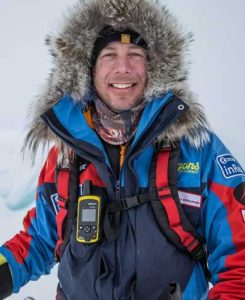
In autumn 2010, I joined the Everest Expedition organized by Himalayan Trail Blazer. Expeditions to Everest during the autumn season are rare, yet the team executed everything with outstanding professionalism, safety, and care. From the meticulous planning to the on-ground support, their expertise was evident at every step. I felt fully supported throughout the journey, and the experience remains one of the most memorable adventures of my life. I would highly recommend Himalayan Trail Blazer to anyone seeking a genuine and well-organized Himalayan expedition.”
Ryan Waters – Dhaulagiri Expedition 2010

Partnering with Himalayan Trail Blazer for the Dhaulagiri Expedition was an outstanding experience. Their logistical support, attention to detail, and deep knowledge of the Himalayan region made all the difference in ensuring the team’s safety and success. From the planning stages in Kathmandu to the final summit push, everything was handled with professionalism and genuine care. I’ve led expeditions across the world, and I can confidently say that Himalayan Trail Blazer sets a new standard in high-altitude guiding and support in Nepal.
Mt. Lhotse Expedition
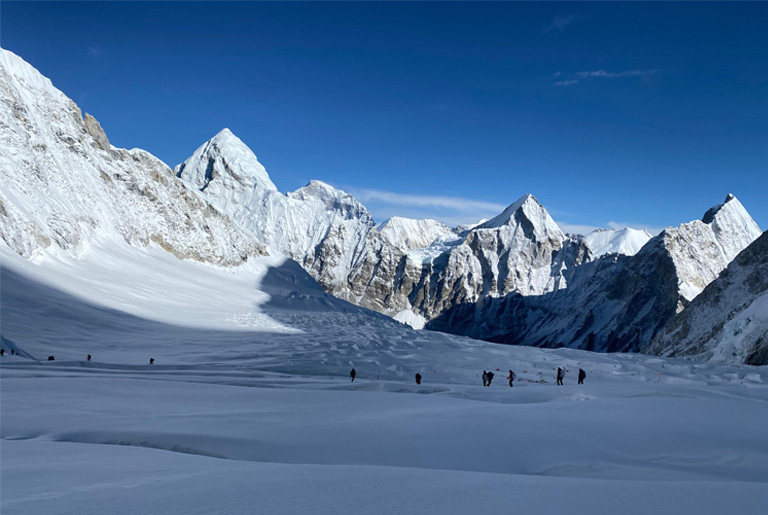
Mt. Lhotse Expedition (8516m) Trip Overview Itenary Detail Cost Include / Exclude FAQ Map “Lhotse” which means south peaks is...
Read More
Mt. Annapurna I Expedition
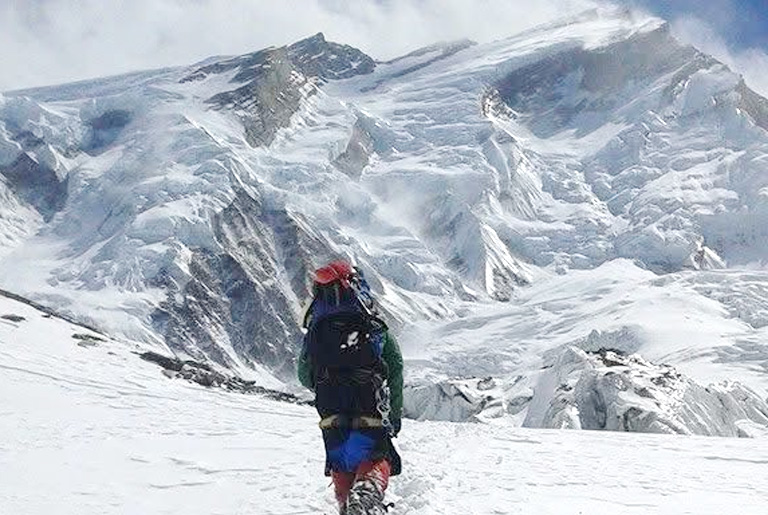
Mt. Annapurna I Expedition (8091m) Trip Overview Itenary Detail Cost Include / Exclude FAQ Map Annapurna is an enormous Himalayan...
Read More
Mt. Manaslu Expedition (8163m)
Mt. Manaslu Expedition (8163m) Trip Overview Itenary Detail Cost Include / Exclude FAQ Map Mt. Manaslu (8,163m / 26,781ft) Located...
Read More
Mt. Amadablam Expedition (6812m)
Mt. Amadablam Expedition (6812m) Trip Overview Itenary Detail Cost Include / Exclude FAQ Map Mt. Ama Dablam expedition has long...
Read More
Mt. Everest Expedition (8848m) via…
Mt. Everest Expedition (8848m) via South Trip Overview Itenary Detail Cost Include / Exclude FAQ Map The highest summit alone...
Read More
Mera Peak
Mera Peak Trip Overview Itenary Detail Cost Include / Exclude FAQ Map Mera Peak is the highest trekking peak in
Read More
Lower Khumbu (Pikey Trek)
Lower Khumbu (Pikey Trek) Trip Overview Itenary Detail Cost Include / Exclude FAQ Map Following the footsteps of Hillary and
Read More
Everest Expedition 2015 Spring
Everest Expedition 2015 Spring Descriptions Himalayan Trail Blazer (HTB) has long been dedicated to organizing world-class climbing expeditions in the
Read More
Manaslu Expeditino, 2014, October
Manaslu Expedition, 2014, October Descriptions Himalayan Trail Blazer has long been recognized for its expertise in leading climbers through the
Read More
Manaslu Expeditino, 2013, October
Manaslu Expedition, 2013, October Descriptions Himalayan Trail Blazer Trekking & Expedition proudly announced the successful conclusion of its Manaslu Expedition
Read More
Manaslu Expedition, 2012, October
Manaslu Expedition, 2012, October Descriptions Manaslu, towering at 8,163 meters, is the eighth-highest mountain in the world. Nestled in the
Read More
Dhaulagiri Expedition 2012, March till
Dhaulagiri Expedition 2012, March till May - Organized by Himalayan Trail Blazer Descriptions In the spring of 2012, Himalayan Trail
Read More
Manaslu Expedition, 2011, October
Manaslu Expedition, 2011, October Descriptions In October 2011, Himalayan Trail Blazer organized a remarkable expedition to Manaslu, led by veteran
Read More
Summit to Sea, 2011 Spring
Summit to Sea, 2011 Spring https://youtu.be/pZ46cuM62ZE?si=oxNaAtznxP38eIK6 Descriptions On June 27, 2011, with the support of Himalayan Trail Blazer, adventurers Mr.
Read More
Everest Expedition via South –
Everest Expedition via South - 2010, October (SAVE THE POLES) -- Eric Larsen Descriptions In Support with Himalayan Trail Blazer,
Read More
Mt. Lhotse Expedition
Mt. Lhotse Expedition (8516m) Trip Overview Itenary Detail Cost Include / Exclude FAQ Map “Lhotse” which means south peaks is
Read More
Tharpa Chuli Peak
Tharpa Chuli Peak Trip Overview Itenary Detail Cost Include / Exclude FAQ Map Tharphu Chuli (locally known as), Tent Peak
Read More
Chulu Far-East Peak
Chulu East Peak Trip Overview Itenary Detail Cost Include / Exclude FAQ Map These peaks are part of the Manang
Read More
Pisang Peak
Pissang Peak Trip Overview Itenary Detail Cost Include / Exclude FAQ Map Pisang Peak stands at elevation of 6091 meters
Read More
Island Peak
Island Peak Trip Overview Itenary Detail Cost Include / Exclude FAQ Map Island Peak is 6187 meters high and one
Read More
Lobuche Peak
Lobuche Peak Trip Overview Itenary Detail Cost Include / Exclude FAQ Map Lobuche Peak 6119m is one of the popular
Read More
Mt. Annapurna I Expedition
Mt. Annapurna I Expedition (8091m) Trip Overview Itenary Detail Cost Include / Exclude FAQ Map Annapurna is an enormous Himalayan
Read More
Mt. Manaslu Expedition (8163m)
Mt. Manaslu Expedition (8163m) Trip Overview Itenary Detail Cost Include / Exclude FAQ Map Mt. Manaslu (8,163m / 26,781ft) Located
Read More
Mt. Amadablam Expedition (6812m)
Mt. Amadablam Expedition (6812m) Trip Overview Itenary Detail Cost Include / Exclude FAQ Map Mt. Ama Dablam expedition has long
Read More
Mt. Everest Expedition (8848m) via
Mt. Everest Expedition (8848m) via South Trip Overview Itenary Detail Cost Include / Exclude FAQ Map The highest summit alone
Read More
Lower Dolpo Trek
Lower Dolpo Trek Trip Overview Itenary Detail Cost Include / Exclude FAQ Map Make a rendezvous with the remote Himalaya
Read More
Upper Dolpo Trek
Upper Dolpo Trek Trip Overview Itenary Detail Cost Include / Exclude FAQ Map Dolpo, a land beyond the Himalayas, conjures
Read More
Dhaulagiri Round Trek
Dhaulagiri Round Trek Trip Overview Itenary Detail Cost Include / Exclude FAQ Map Dhaulagiri 8,167m – the 7th highest mountain
Read More
Upper Mustang Trek
Upper Mustang Trek Trip Overview Itenary Detail Cost Include / Exclude FAQ Map Trekking into Upper Mustang is a rare
Read More
Lantang Valley Trek
Lantang Valley Trek Trip Overview Itenary Detail Cost Include / Exclude FAQ Map A trek to the Langtang valley has
Read More
Langtang Gosaikunda Helambu Trek
Langtang Gosaikunda Helambu Trek Trip Overview Itenary Detail Cost Include / Exclude FAQ Map This classical trek combines three major
Read More
Naar Phu Trek
Khangla & Thorang passes trek Trip Overview Itenary Detail Cost Include / Exclude FAQ Map Nar Phu, located in the
Read More
Classic Everest Trek
Classic Everest Trek Trip Overview Itenary Detail Cost Include / Exclude FAQ Map Classic Everest Trek (Jiri to Everest Base
Read More
Chola Pass Trek
Gokyo Chola Pass Everest Base Camp Trek Trip Overview Itenary Detail Cost Include / Exclude FAQ Map Chola Pass Trek
Read More
Gokyo Trek
Gokyo Trek Trip Overview Itenary Detail Cost Include / Exclude FAQ Map Trekking around Gokyo valley is considered a traditional
Read More
Everest Panorama Trek
Everest Panaroma Trek Trip Overview Itenary Detail Cost Include / Exclude FAQ Map This easy trek in the foothills of
Read More