Khumbu Three Passes Trek

Renjo-La pek is one of the most best trekking route for both of them who already have beeass trn even Everest base camp and otheres who have not done.., This trek is leads the High pass Renjo-La . ., ) which is the between after the further up The Thame on way to Tibet Boarder Nag pa-la and Gokyo valley. This trek is ideal for those people who like to do trek go through high pass but not difficult one.

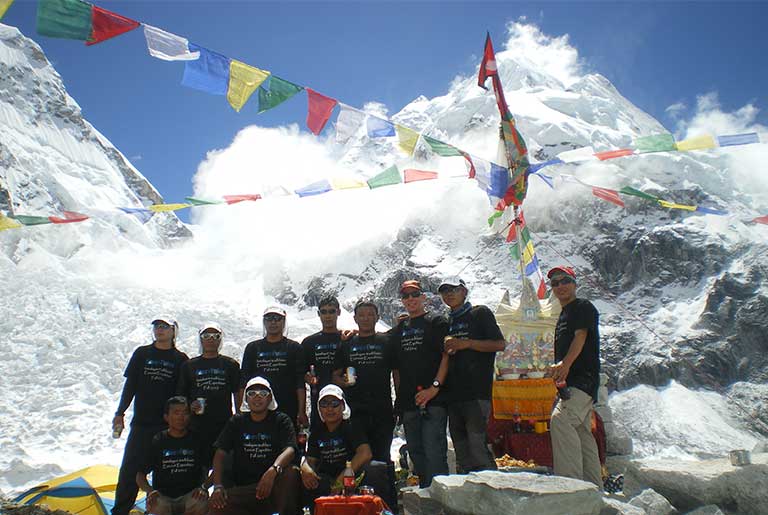
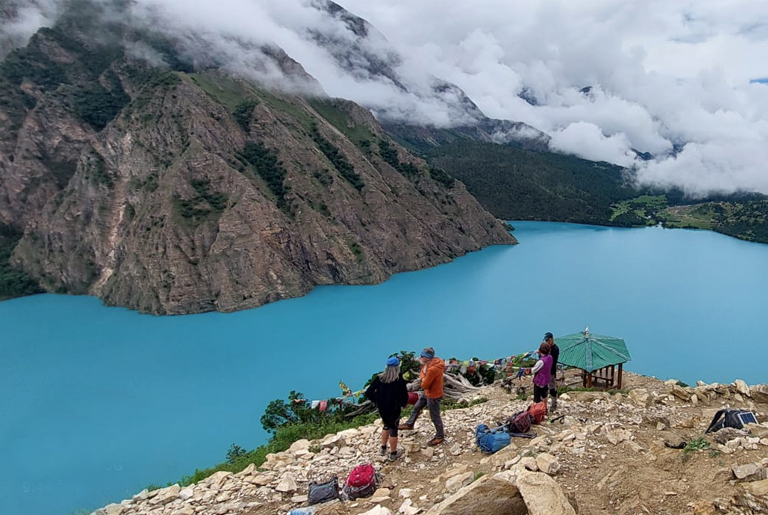
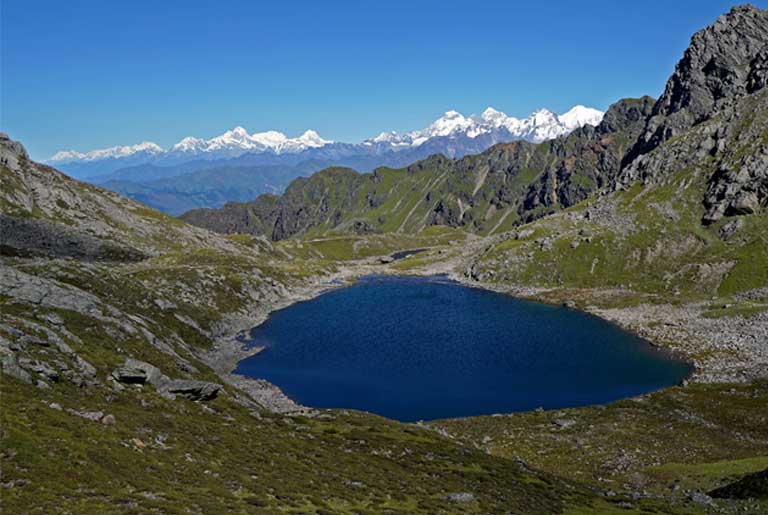
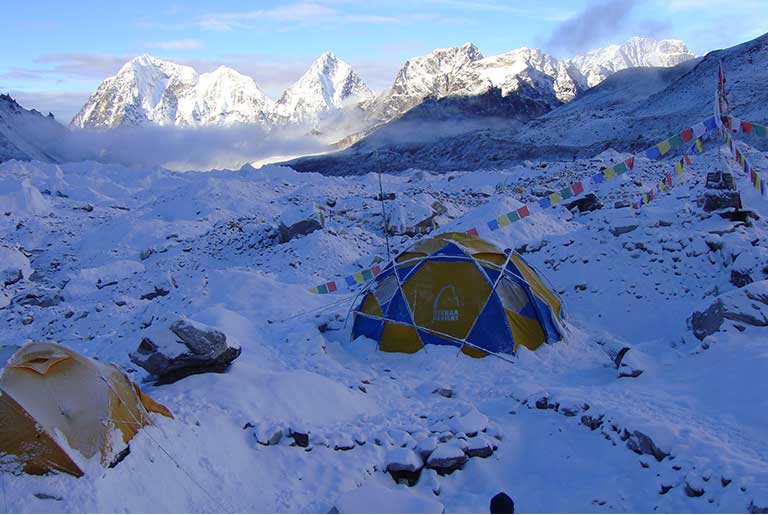
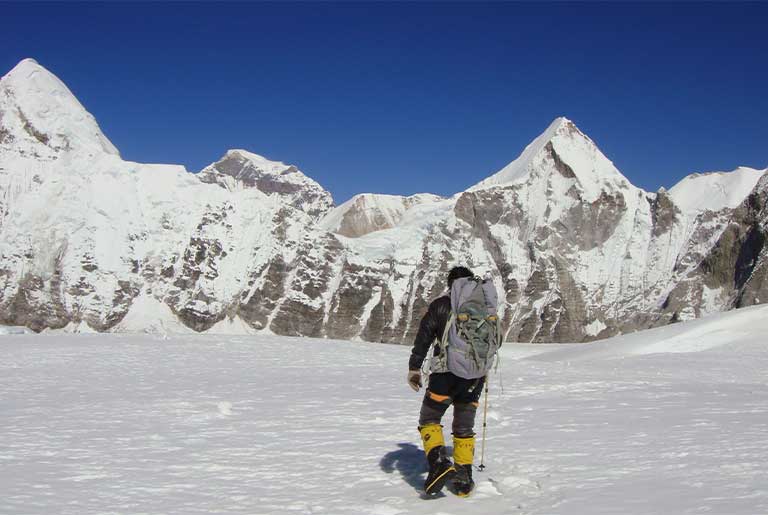
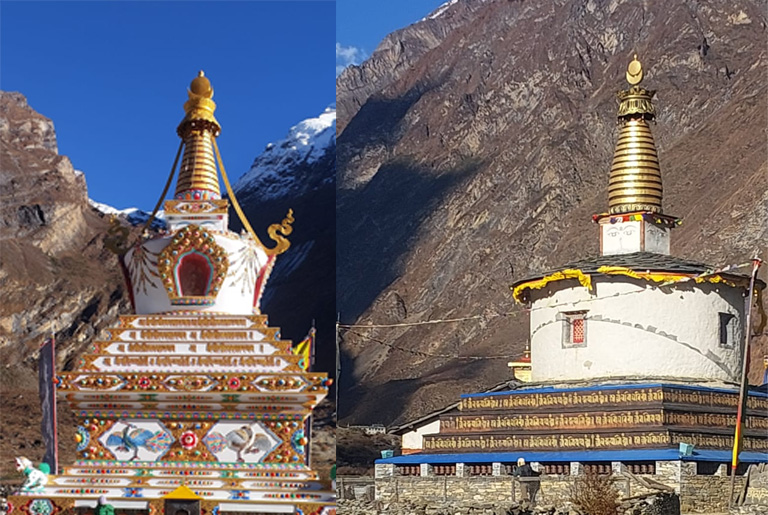
Till Namche as following classic route and after that you have to heading to Thame .., a which is beautiful village and the homeland of the famous Mt. Everest Submitter Appa Sherpa. Thame have a one of very oldest Monastery. Whole in Khumbu Region, which is very worth to visit on your trekking way. One day you could do hike up on way to the Tashi Leptsa. Pass and can back to Thame, from thame you could see nice view of other peaks.. as well as Cho Oyu, Next day could do over Night at Arya, after arrive there it is ideal to make acclimatization time one or two days for acclimatization., and these free day even you can use hike ..around , where very nice point for hiking. Renjo La is lately released trekking destination for the adventure seekers. This trek is one of the most best trekking route for both of them who already have been even Everest base camp and others who have not done. This trek is leads the High pass Renjo-La which is the between after the further up the Thame on way entire route to Tibet boarder before Nagpa-La and Gokyo valley. The pass is serious undertaking that may require some basic mountaineering skills and equipment depending on weather conditions.The views from the Renjo-La is splendid, far down you cold see the Gokyo valley with Gokyo Lake – blue Turquoise color and around the some lodges that looks like the painted by fine artist a beautiful magic art. If the weather is good, you can have opportunity to see the close panoramic view of Mt. Everest range very perfect, nicer like from Gokyo and better then from Kalapattar.

The above information is a guide and standard template of what we provide. Our trip can be customized at your request to accommodate your specific requirements.

NOTE: During the trip; weather, local politics, transport or a multitude of other factors, that are beyond our control can result in a change of itinerary. It is, however, very unlikely that the itinerary would be substantially altered; if alterations are necessary the leader will decide what is the best alternative, taking into consideration the best interests of the whole group. Where a change does occur, we do everything we can to minimize its effect, but we cannot be responsible for the results of changes or delays.

Day 1: Arrival in Kathmandu (1,300 m) – Welcome to Nepal’s Capital

Arrive in the vibrant capital of Nepal, where your Himalayan adventure begins. A representative will greet you at Tribhuvan International Airport and transfer you to your hotel in the heart of Kathmandu. In the evening, meet your trek guide for a detailed trip briefing and gear check. Take time to relax after your flight and enjoy Nepalese cuisine. Overnight stay in Kathmandu.

After lunch, embark on a picturesque drive to Mulkot, following winding roads through green hills and terraced farmlands. The route offers glimpses of rural Nepalese life and tranquil riverside villages. Arrive in Mulkot by evening and settle into your hotel near the Sun Koshi River. This peaceful stop helps you rest before your early flight to Lukla. Overnight in Mulkot.

An early morning drive takes you to Ramechhap Airport for a short yet thrilling flight to Lukla—the gateway to the Everest region. Meet your porter team and begin your trek through pine forests and Sherpa villages. Cross prayer-flag bridges over the Dudh Koshi River, passing Mani walls and Chortens that mark the sacred trail. Reach Phakding after a gentle 3-hour walk and rest by the riverside lodge.

Today’s trail follows the Dudh Koshi River through pine and rhododendron forests. Cross high suspension bridges, including the famous Hillary Bridge, before ascending steeply to Namche Bazaar. En route, your guide will arrange Sagarmatha National Park permits at Monjo (2,800 m). On clear days, enjoy your first views of Mt. Everest and Ama Dablam. Overnight in the bustling Sherpa capital, Namche Bazaar.

Spend the day acclimatizing while exploring the vibrant town of Namche. Hike to the Everest View Hotel (3,900 m) for panoramic mountain vistas, including Everest, Lhotse, and Ama Dablam. Visit the Syangboche airstrip and Sherpa Museum to learn about mountain culture. Enjoy fresh pastries at a local café or browse souvenir shops in the afternoon. Overnight in Namche Bazaar.

Follow the ancient trade route toward Tibet, passing traditional Sherpa settlements and mani stones along the way. The path ascends gradually with views of Kongde Ri and Teng Kangpoche peaks. Visit the historic Thame Monastery, built in 1667 AD, known for its sacred Thangka paintings. Learn about Sherpa Buddhism and the local way of life. Overnight at Thame.

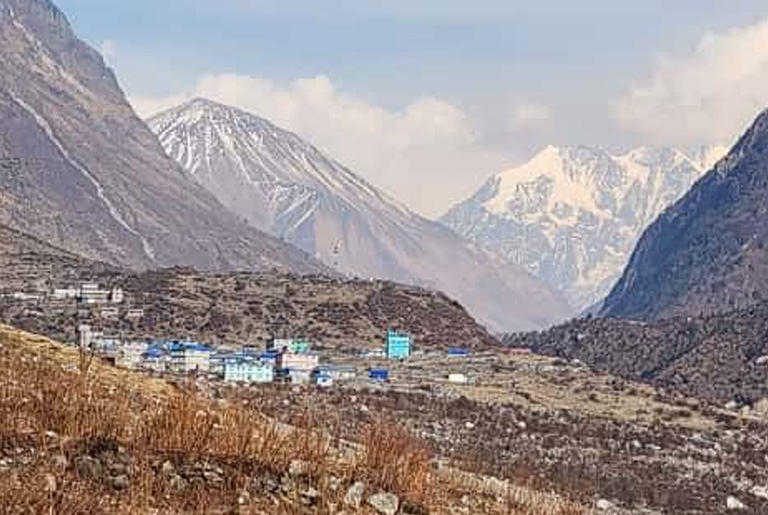
Leave Thame behind and trek uphill for about five hours through pristine landscapes. Pass yak pastures, ancient prayer walls, and remote hamlets that showcase authentic Sherpa culture. The higher altitude brings cooler air and stunning mountain backdrops. Occasionally, you may spot Tibetan yak caravans crossing the old trade routes. Overnight in a cozy teahouse at Lungden.

Spend the day exploring the serene surroundings of Lungden. Take a short hike to Nakpa Valley, once an important trade link to Tibet, or climb Darkyachhulung Peak for panoramic views. Visit Marlung’s sacred warfield site and the nearby turquoise Lake Cho Relmo. This active rest day helps you acclimatize while soaking in the spiritual and natural beauty of the region. Overnight in Lungden.

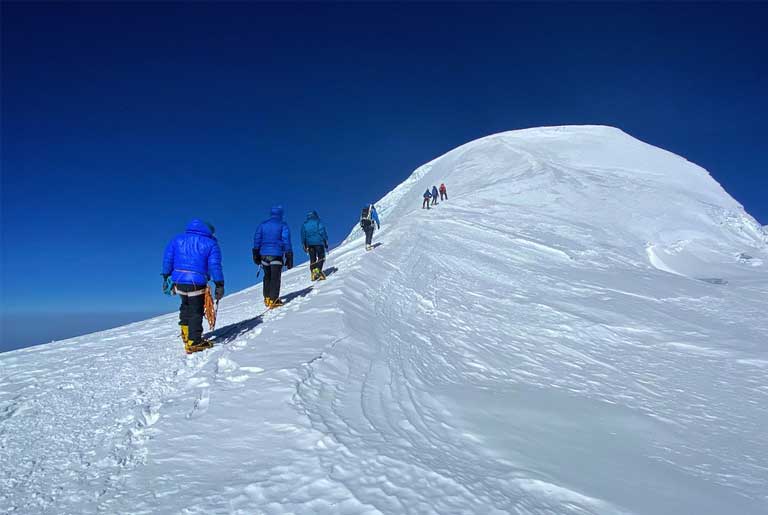
Begin your trek early to cross the challenging Renjo La Pass. The trail ascends over rocky ridges and frozen streams, offering breathtaking views of Everest, Cho Oyu, Lhotse, and Makalu. From the top, the sight of Gokyo Lakes shimmering below is unforgettable. Descend carefully to the tranquil Gokyo Valley beside the third lake. Overnight by the turquoise Gokyo Lake.

Rise before dawn to ascend Gokyo Ri, one of the best viewpoints in the Everest region. From the summit, witness a 360° panorama of four 8,000-meter peaks—Everest, Lhotse, Makalu, and Cho Oyu. The vast Ngozumpa Glacier and the sparkling Gokyo Lakes below create a surreal landscape. Descend to Gokyo for a hearty breakfast and rest. Overnight in Gokyo.

Today’s trail crosses the vast Ngozumpa Glacier, the largest glacier in Nepal. Walk through rugged moraines and icy paths, surrounded by dramatic glacial scenery. Stop at the second Gokyo Lake for photos before reaching Thangnak. In the afternoon, take an acclimatization hike to Thangnak Ri (5,000 m) for more high-altitude practice. Overnight in Thangnak.

An early start is essential for today’s demanding trek. The steep, icy trail climbs toward Cho La Pass, where prayer flags flutter in the cold mountain wind. From the top, marvel at the surrounding peaks before descending over rocky terrain to Dzongla. Alternatively, trekkers can follow the lower scenic route via Phortse to Pheriche. Overnight stay in Dzongla or Pheriche.

Follow the classic Everest Base Camp route with views of Pumori and Nuptse. Pause at Dhugla (4,600 m) to visit memorials honoring climbers who perished on Everest. The trail then ascends gradually along the Khumbu Glacier to Lobuche. As altitude increases, walk slowly and stay hydrated. Overnight in Lobuche.

Climb to the top of Kala Patthar, one of the highest viewpoints on the trek, for an awe-inspiring sunrise over Everest, Lhotse, and Nuptse. Capture unforgettable photos of the Himalayan giants up close. Descend to Gorakshep (5,200 m) for rest, tea, and warm meals after this rewarding climb. Overnight in Gorakshep.

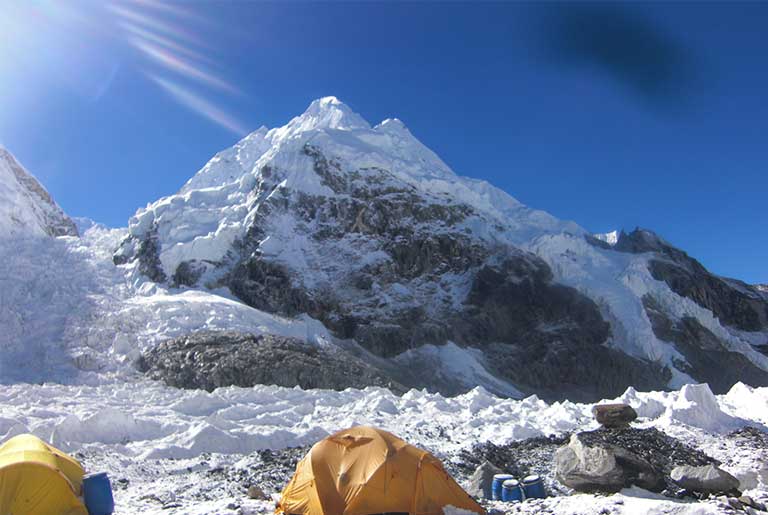
Trek along the moraine of the Khumbu Glacier to reach Everest Base Camp. This legendary site offers a surreal experience amid colorful prayer flags and ice formations. Take time to celebrate this milestone and pay tribute to climbers preparing for their ascent. After soaking in the views, return to Lobuche for the night. Overnight in Lobuche.

Start early for another rewarding climb over Khongma La Pass. The path weaves through rugged highland terrain with panoramic mountain views. Descend into the Imja Valley toward Chukung, a peaceful settlement surrounded by glaciers and towering peaks. Rest and enjoy the tranquility of this lesser-traveled trail. Overnight in Chukung.

Follow a descending trail through yak pastures and stone-built villages. Enjoy views of Ama Dablam, one of Nepal’s most iconic peaks. Visit the ancient Pangboche Monastery, home to sacred relics and local legends. The lower altitude provides comfort after several high-altitude days. Overnight in Pangboche.

Retrace your steps along scenic ridgelines and suspension bridges. Pass through Tengboche, known for its stunning monastery and views of Everest and Ama Dablam. Continue through rhododendron forests to reach Namche Bazaar. Celebrate the completion of your high-altitude adventure with good food and rest. Overnight in Namche.

Descend through forests of pine and magnolia, crossing several Sherpa villages and prayer-flag bridges. Reflect on your journey through the Everest region as you return to Lukla. Celebrate your successful completion of the Renjo La Pass Trek with your guide and team. Overnight in Lukla.

Enjoy a short morning flight from Lukla to Kathmandu, with one last aerial glimpse of the Himalayas. Upon arrival, transfer to your hotel for a well-deserved rest. Spend the afternoon at leisure or explore nearby markets and cafés. Overnight in Kathmandu.

Use this free day to explore Kathmandu’s cultural landmarks such as Swayambhunath, Boudhanath Stupa, and Patan Durbar Square. Shop for traditional crafts, Thangka paintings, or trekking souvenirs. Optional guided tours can be arranged upon request. Overnight in Kathmandu.

After breakfast, our team will transfer you to Tribhuvan International Airport for your onward journey. Say goodbye to Nepal with unforgettable memories of the Renjo La Pass Trek. Carry the spirit of the Himalayas with you as you head home. End of trip services.

Cost Includes

– Airport / Hotel / Airport pick up & drop by private tourist vehicle.
– Standard twin sharing accommodation in a three star hotel in Kathmandu; Breakfast included. (4 nights)
– Guided city tour in Kathmandu by private tourist vehicle.
– All your standard Meals during the trek (Breakfasts, Lunches and Dinners).
– Lodges, Guesthouses accommodation during the trek (11 nights Trekking Guesthouse in twin sharing and occasionally dormitory style).
– Local Himalayan Trail Blazer licensed English speaking guide.
– The required number of local staff and porters to carry your luggage during the trek (We assign one porter for every two guests).
– Food, accommodation, salary, insurance, equipment and medicine for all staff.
– Everest National Park permits and TIMS permit for trekking.
– Down Jacket and sleeping bag by Himalayan Trail Blazer (which need to be returned after the trek).
– Airfare from Kathmandu – Lukla – Kathmandu including airport departure tax in Kathmandu and Lukla airport.
– Surface transfer from and to Kathmandu.
– Sightseeing/Monument entrance fees in Kathmandu (On Day 2).
– Farewell dinner in typical Nepali Restaurant with cultural dance show on second last day (On Day 15th).
– All our government taxes, vat, tourist service charges.
– Official expenses.

Cost Does not Include

– Lunch and dinner whilst in Kathmandu.
– Travel insurance which covers emergency Rescue and Evacuation.
– International airfare and airport departure tax.
– Nepal entry visa; you can obtain a visa easily upon your arrival at Tribhuwan International Airport in Kathmandu. (Tourist Visa with Multiple Entries for 30 days can be obtained by paying US $ 40 or equivalent foreign currency. Similarly, Tourist Visa with Multiple Entries for 90 days can be obtained by paying US $ 100. Please bring 2 copies of passport size photos).
– Alcoholic, hot and cold drinks.
– Personal trekking Equipment (See the trekking equipment page).
– Tips for trekking staff and driver (Tipping is expected).
– Any others expenses which are not mentioned on ‘Price Includes’ section.

What is the success rate for your trips?

We have up to 98% success rate for our Everest treks.

Everest base camp standard trek is suitable for average people who are moderately fit, thus no previous experience is required. Some physical fitness programs such as running, swimming, hiking is recommended before you embark on your journey. Whilst on the trek, it is common to experience some discomfort before being fully acclimatized.

To prepare for a strenuous trek you should begin training at least two to three months before your departure. As a guideline, an hour of aerobic exercise three to four times per week would be considered a minimum requirement. The best preparation is bushwalking involving relatively steep ascents and descents. If you can manage a couple of valley floor to ridgeline ascents per comfortable and able to enjoy the trek to the fullest. They are physically strong, sharp-witted and have an incredibly positive attitude towards a life that we would consider extremely tough. There is something about a trek in the Himalaya that draws you back time and time again. For keen walkers it is a paradise and even avowed non-walkers find that one foot just seems to follow the other, drawn by the appeal of what lies beyond.

Yes, our airport representative will be there to greet you at the airport. S/he will be displaying an Himalayan Trail Blazer sign board outside the airport terminal. Upon arrival, you will be transferred to your hotel by our tourist vehicle.

We use standard rooms at three star hotels in Kathmandu with breakfast included. Along the trekking routes, teahouses/lodges generally provide basic clean facilities with a mattress and a quilt or blanket. We can also offer you Himalayan Trail Blazer sleeping bags if needed (to be returned after the trip) but it is a good idea to always have your own sleeping equipment.The lodges in trekking routes usually provide single and double rooms, or occasionally a dormitory. At times when possible, dining will be around a bon fire. In tea houses, food will be prepared in the kitchen which you should not enter without permission. The toilet in tea houses provides essential and basic facilities and are always outside the room.

Yes! The trip will be confirmed only when we receive the completed final booking form and 30% deposit payment. You can pay the balance of the money when you arrive in Kathmandu.

Yes! We can surely book separate rooms in Kathmandu for your portion of the trip. During the trek we will try our best but normally the lodges have twin sharing and dormitory styled room instead of a single room. The lodges will provide a private room for one person when the room is free and additional cost is not required.

The additional cost is USD 70 per person for booking a single room in Kathmandu for four nights when booking for groups of two or more than two people. For one person the trip price of USD 1800 per person already includes a single room supplement fee.

YES all our trips are guaranteed to run. We never cancel the trip due to not having enough participants, we can arrange the trip for one person as well.

You can clear the remainder of the money upon your arrival in Kathmandu or even before you arrive in Kathmandu. You can use USD cash, American Express, Travelers Check, Master or Visa cards for the payment options. There will be 4% bank levy when paying by credit cards.

Most teahouses (lodges) in Everest Base Camp trails cook a delicious range of mostly vegetarian fare. Pasta, tuna bakes, noodles, potatoes, eggs, daal bhat(rice and lentils), bread, soup, fresh vegetables (variety depends on the season) and even some desserts like apple pies, pancakes, and some interesting attempts at custard. You will find a lot of garlic on the menu because it assists with acclimatization – eat some every day. In many larger villages you may find some meat items on the menu. You can always get hot chocolate, tea, and hot lemon drinks, as well as soft drinks, and treats like chocolate and crisps. Each day dinner and breakfast will be at a lodge you’ll stay at while lunch will be taken on the way to destination.

YES, the food is very safe during the trekking and we recommend you to eat the vegetarian and local food.

Bottled water is easily available at the lodges and tea houses. You can buy bottled water at the cost of USD 2 at lower elevations to USD 4 to higher elevation per littler. You can also drink the normal tap or spring water if you bring the purifying aid with you.

Himalayan Trail Blazer is all about providing you with local insights, lifestyle as well as adventure. Depending on the nature of the travel, the transportation to and from the destination varies from domestic flights to vehicular transportation to even piggyback rides on mules and yaks. We provide you only those options which enhance your local experience while allowing you to travel comfortably and efficiently. We use private tourist vehicles for sightseeing, city tours and pickups. Depending on the group size we use cars, minibus, vans or alternatively 4WD SUVs, more maneuverable in travelling along the narrow and bumpy roads of Nepal. All the vehicles are usually air-conditioned unless we are travelling in cooler areas.

For domestic flights (Kathmandu – Lukla – Kathmandu), we use Tara Air, Agni Air -popular domestic airlines.

Every trekking trip up the mighty Mt. Everest presents its own amazing, unforgettable moments that forever live on in the hearts and minds of those brave enough to make the climb. One of the most unpredictable elements of the Everest region is the weather. If you’re not properly prepared for the twists, turns and volatility of the conditions that can occur in this breathtaking region, you might find yourself in an uncomfortable and unpleasant situation. Here are some weather basics to help ensure that you come to the Himalayas as well equipped and prepared to face anything.

Generally speaking, the nights are much cooler than the daytime hours in the Everest region. Many first-time trekkers are surprised to learn about the incredible range that may occur in a given day. During the day, the thermometer could reach temps as high as 25 degrees C, only to dip down as low as -20 degrees C in less than 24 hours. While there’s no way to know exactly what each day in the mountains will bring, the weather and temperature ranges tend to be somewhat predictable based on the month and season.

Spring – March / April / May / June
Spring happens to be one of the best times of the year to visit the Everest region, although because of this, it can become somewhat crowded. One can meet many other Everest climbers during this season and base camp is full of tents. The beautiful clear blue sky can be seen and the many different species of flower are visible in the lower altitude.

During springtime, the average temperature is 17 degrees C with a maximum of 25 degrees C during sunny days and a minimum of -15 degrees C in the morning and at night for areas above 4000 meters.

July / August Through Mid-September is Monsoon Season
This season is not really recommended to travel as it rains in the lower altitudes, below 3500 meters. In areas above 4000 meters, it rains sometimes and although it is also sometimes dry, very few people travel during this season. There are positives to trekking during the monsoon months, however. The excess rainfall can provide ample chance to see spectacular views of the waterfall and it’s also the best season to avoid the crowds. The maximum temperature during the monsoon season averages 25 degrees C during sunny days with a minimum -15 degrees C in the morning and night at areas above 4000 meters. The average temperature tends to hover around a comfortable 18 degrees C.

Autumn – End of September / October / November
Similar to springtime, autumn in the Everest region is also a crowded season, but it’s one of the best times to trek. While it lacks the beauty of flowers, the clear blue sky can be seen, affording incredible views from just about every angle.

The average temperature during the fall is 15 degrees C with a maximum temp of 20 degrees C during sunny days and a minimum of -10 degrees C in the morning and at night, for areas above 4000 meters altitude.

Regardless of time of year, trekkers should always plan accordingly and bring clothing for both cooler and warmer temps. Layering is always recommended, as are pants that can double as shorts. For a full list of clothing and materials to bring to account for various temperatures and weather changes that can occur in the Everest region, visitors should work closely with their travel provider. This will ensure that the adventure will be enjoyable no matter what the weather and that every possible scenario will be accounted for ahead of time.
I m a Vegeterain, is that a Problem ?

No problem at all because the lodges mostly serve the vegetarian meals. We always recommend our clients to eat vegetarian meals to avoid the food poisoning, eating heavy meals and non- vegetarian meals at the high altitude is not really safe for the stomach.

Lorem ipsum dolor sit amet, consectetur adipiscing elit. Ut elit tellus, luctus nec ullamcorper mattis, pulvinar dapibus leo.

Yes, they have all received a 45-day training from the Hotel Management and Tourism Center in Nepal. The guides have also received high altitude first aid training from KEEP (Kathmandu Environmental Education Project).

Lorem ipsum dolor sit amet, consectetur adipiscing elit. Ut elit tellus, luctus nec ullamcorper mattis, pulvinar dapibus leo.

Holiday should never be about making it to the final point quickly. Along your trek we can add days at your request with additional costs to cover guides, porters, accommodation and food.

No vaccinations are compulsory in Himalaya, but we do recommend you are covered for diphtheria & TB, hepatitis A, hepatitis B, *malaria, typhoid, polio and tetanus.

We also recommend:

A dental check-up prior to travelling.
That you know your blood group in case of emergency.

If you have any pre-existing medical conditions which might affect you on tour, you make these known to your tour leader and Himalayan Trail Blazer at the time of your booking.

There are telephones in some villages along the trekking routes from which you can make international calls. All our guides are equipped with the local mobile phone. You may wish to pass the number of our guide to your family for the callback or you can make a call from the guide’s mobile and pay him directly for the international call too.

NOTE: During the trip; weather, local politics, transport or a multitude of other factors, that are beyond our control can result in a change of itinerary. It is, however, very unlikely that the itinerary would be substantially altered; if alterations are necessary the leader will decide what is the best alternative, taking into consideration the best interests of the whole group. Where a change does occur, we do everything we can to minimize its effect, but we cannot be responsible for the results of changes or delays.

Flight Delay in Kathmandu and Lukla

Twin Otter is the primary mode of transport to and from the airstrip at Lukla. This service is fairly dependable. Sometimes, flights (to and from Lukla) may be cancelled due to mountain weather conditions or technical problems. In such case, Himalayan Trail Blazer will charter a helicopter to ensure you are on schedule for your international flight. The helicopter can fly if the visibility is 1500m, while the twin otter can fly if the visibility is 5000m, as per Nepal’s Civil Aviation rules.

The cost of the helicopter is payable directly to our Kathmandu office in the event that this service is utilized. US cash, traveler’s cheques, or credit cards (Visa Cards, Master Cards only) are accepted. You will be given a receipt upon payment so that you may claim the amount from your travel insurance. The minimum cost will be US$500 and maximum US$3500 depending on the number of group members.

“ Join Upcoming Renjo Pass Trek starting from  19-10-2026 and 30-10-2026
Note: The above information is a guide and standard template of what we provide. Our trip can be customized at your request to accommodate your specific requirements.”

Trip Facts
Destination: Everest Region, Nepal
Trip Grade: Moderate to Strenuous
Max Altitude: 5,364 m (Everest Base Camp)
Best Season: Mar–May, Sep–Nov
Group Size: 2–12
Start/End: Kathmandu
Accommodation: Lodge, Camping (Any One)

Trek Further. Trek Higher. Join the Journey for 2025-2026.

Challenge the Himalaya. Expedition Bookings Open for 2025–2026.

Ready for the Summit? Join Peak Climbing Season 2025–2026.

Introducing Nepal’s Newest Adventure: Everest Base Camp Drive Trek

What Our Client Says ?

Eric Larsen – Everest Expedition Summit 2010 Autumn
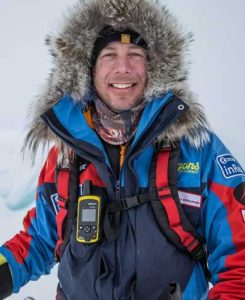
In autumn 2010, I joined the Everest Expedition organized by Himalayan Trail Blazer. Expeditions to Everest during the autumn season are rare, yet the team executed everything with outstanding professionalism, safety, and care. From the meticulous planning to the on-ground support, their expertise was evident at every step. I felt fully supported throughout the journey, and the experience remains one of the most memorable adventures of my life. I would highly recommend Himalayan Trail Blazer to anyone seeking a genuine and well-organized Himalayan expedition.”

Ryan Waters – Dhaulagiri Expedition 2010

Partnering with Himalayan Trail Blazer for the Dhaulagiri Expedition was an outstanding experience. Their logistical support, attention to detail, and deep knowledge of the Himalayan region made all the difference in ensuring the team’s safety and success. From the planning stages in Kathmandu to the final summit push, everything was handled with professionalism and genuine care. I’ve led expeditions across the world, and I can confidently say that Himalayan Trail Blazer sets a new standard in high-altitude guiding and support in Nepal.
Peak Climbing

Mera Peak

Mera Peak Trip Overview Itenary Detail Cost Include / Exclude FAQ Map Mera Peak is the highest trekking peak in

Read More
Manaslu Region

Tsum Valley Trek

Tsum Valley Manaslu Trek Trip Overview Itenary Detail Cost Include / Exclude FAQ Map The Tsum Valley Manaslu Trek is

Read More
Everest Region

Lower Khumbu (Pikey Trek)

Lower Khumbu (Pikey Trek) Trip Overview Itenary Detail Cost Include / Exclude FAQ Map Following the footsteps of Hillary and

Read More
Trekking

Everest Base Camp Drive Trek

Everest Base Camp Drive Optional Trip Overview Itenary Detail Cost Include / Exclude FAQ Map Following the footsteps of Hillary

Read More
About Us

Profile: Tshering Ngima Sherpa

Profile: Tshering Ngima Sherpa Descriptions Profile: Tshering Ngima SherpaFounder & Owner – Himalayan Trail BlazerTshering Ngima Sherpa is a renowned

Read More
About Us

Why Himalayan Trail Blazer ?

Why Himalayan Trail Blazer ? Descriptions Our experiences are remarkably authentic. Guests won’t feel as though they are on a

Read More
Success Stories

Everest Expedition 2015 Spring

Everest Expedition 2015 Spring Descriptions Himalayan Trail Blazer (HTB) has long been dedicated to organizing world-class climbing expeditions in the

Read More
Success Stories

Manaslu Expeditino, 2014, October

Manaslu Expedition, 2014, October Descriptions Himalayan Trail Blazer has long been recognized for its expertise in leading climbers through the

Read More
Success Stories

Manaslu Expeditino, 2013, October

Manaslu Expedition, 2013, October Descriptions Himalayan Trail Blazer Trekking & Expedition proudly announced the successful conclusion of its Manaslu Expedition

Read More
Success Stories

Manaslu Expedition, 2012, October

Manaslu Expedition, 2012, October Descriptions Manaslu, towering at 8,163 meters, is the eighth-highest mountain in the world. Nestled in the

Read More
Success Stories

Dhaulagiri Expedition 2012, March till

Dhaulagiri Expedition 2012, March till May - Organized by Himalayan Trail Blazer Descriptions In the spring of 2012, Himalayan Trail

Read More
Success Stories

Manaslu Expedition, 2011, October

Manaslu Expedition, 2011, October Descriptions In October 2011, Himalayan Trail Blazer organized a remarkable expedition to Manaslu, led by veteran

Read More
Success Stories

Summit to Sea, 2011 Spring

Summit to Sea, 2011 Spring https://youtu.be/pZ46cuM62ZE?si=oxNaAtznxP38eIK6 Descriptions On June 27, 2011, with the support of Himalayan Trail Blazer, adventurers Mr.

Read More
Success Stories

Everest Expedition via South –

Everest Expedition via South - 2010, October (SAVE THE POLES) -- Eric Larsen Descriptions In Support with Himalayan Trail Blazer,

Read More
Everest Region

Mt. Lhotse Expedition

Mt. Lhotse Expedition (8516m) Trip Overview Itenary Detail Cost Include / Exclude FAQ Map “Lhotse” which means south peaks is

Read More
Peak Climbing

Tharpa Chuli Peak

Tharpa Chuli Peak Trip Overview Itenary Detail Cost Include / Exclude FAQ Map Tharphu Chuli (locally known as), Tent Peak

Read More
Peak Climbing

Chulu Far-East Peak

Chulu East Peak Trip Overview Itenary Detail Cost Include / Exclude FAQ Map These peaks are part of the Manang

Read More
Peak Climbing

Pisang Peak

Pissang Peak Trip Overview Itenary Detail Cost Include / Exclude FAQ Map Pisang Peak stands at elevation of 6091 meters

Read More
Peak Climbing

Island Peak

Island Peak Trip Overview Itenary Detail Cost Include / Exclude FAQ Map Island Peak is 6187 meters high and one

Read More
Peak Climbing

Lobuche Peak

Lobuche Peak Trip Overview Itenary Detail Cost Include / Exclude FAQ Map Lobuche Peak 6119m is one of the popular

Read More
Expedition

Mt. Annapurna I Expedition

Mt. Annapurna I Expedition (8091m) Trip Overview Itenary Detail Cost Include / Exclude FAQ Map Annapurna is an enormous Himalayan

Read More
Expedition

Mt. Manaslu Expedition (8163m)

Mt. Manaslu Expedition (8163m) Trip Overview Itenary Detail Cost Include / Exclude FAQ Map Mt. Manaslu (8,163m / 26,781ft) Located

Read More
Expedition

Mt. Amadablam Expedition (6812m)

Mt. Amadablam Expedition (6812m) Trip Overview Itenary Detail Cost Include / Exclude FAQ Map Mt. Ama Dablam expedition has long

Read More
Expedition

Mt. Everest Expedition (8848m) via

Mt. Everest Expedition (8848m) via South Trip Overview Itenary Detail Cost Include / Exclude FAQ Map The highest summit alone

Read More
Manaslu Region

Manaslu Trek

Manaslu Trek Trip Overview Itenary Detail Cost Include / Exclude FAQ Map Trekking around Manaslu offers a unique opportunity to

Read More
Trekking

Kanchanjunga Base Camp Trek

Kanchanjunga Base Camp Trek Trip Overview Itenary Detail Cost Include / Exclude FAQ Map Kang-chen-zod-nga”, means “Five Great Treasuries of

Read More
Trekking

Lower Dolpo Trek

Lower Dolpo Trek Trip Overview Itenary Detail Cost Include / Exclude FAQ Map Make a rendezvous with the remote Himalaya

Read More
Dolpo Region

Upper Dolpo Trek

Upper Dolpo Trek Trip Overview Itenary Detail Cost Include / Exclude FAQ Map Dolpo, a land beyond the Himalayas, conjures

Read More
Trekking

Dhaulagiri Round Trek

Dhaulagiri Round Trek Trip Overview Itenary Detail Cost Include / Exclude FAQ Map Dhaulagiri 8,167m – the 7th highest mountain

Read More
Mustang Region

Upper Mustang Trek

Upper Mustang Trek Trip Overview Itenary Detail Cost Include / Exclude FAQ Map Trekking into Upper Mustang is a rare

Read More
Trekking

Lantang Valley Trek

Lantang Valley Trek Trip Overview Itenary Detail Cost Include / Exclude FAQ Map A trek to the Langtang valley has

Read More
Langtang Region

Langtang Gosaikunda Helambu Trek

Langtang Gosaikunda Helambu Trek Trip Overview Itenary Detail Cost Include / Exclude FAQ Map This classical trek combines three major

Read More
Trekking

Poon Hill Trek

Poon Hill Trek Trip Overview Itenary Detail Cost Include / Exclude FAQ Map The Annapurna Himalayan (Ghorepani and Poon Hill)

Read More
Annapurna Region

Naar Phu Trek

Khangla & Thorang passes trek Trip Overview Itenary Detail Cost Include / Exclude FAQ Map Nar Phu, located in the

Read More
Annapurna Region

Jomsom – Muktinath Trek

Joomsom - Muktinath Trek Trip Overview Itenary Detail Cost Include / Exclude FAQ Map The Jomsom and Muktinath trek is

Read More
Trekking

Annapurna Circuit Trek

Annapurna Circuit Trek Trip Overview Itenary Detail Cost Include / Exclude FAQ Map Since it opened to foreign trekkers in

Read More
Annapurna Region

Annapurna Base Camp Trek

Annapurna base camp trek Trip Overview Itenary Detail Cost Include / Exclude FAQ Map Annapurna Base Camp Trek combines some

Read More
Everest Region

Classic Everest Trek

Classic Everest Trek Trip Overview Itenary Detail Cost Include / Exclude FAQ Map Classic Everest Trek (Jiri to Everest Base

Read More
Everest Region

Renjo Pass Trek

Khumbu Three Passes Trek Trip Overview Itenary Detail Cost Include / Exclude FAQ Map Renjo-La pek is one of the

Read More
Everest Region

Chola Pass Trek

Gokyo Chola Pass Everest Base Camp Trek Trip Overview Itenary Detail Cost Include / Exclude FAQ Map Chola Pass Trek

Read More
Trekking

Gokyo Trek

Gokyo Trek Trip Overview Itenary Detail Cost Include / Exclude FAQ Map Trekking around Gokyo valley is considered a traditional

Read More
Trekking

Everest Panorama Trek

Everest Panaroma Trek Trip Overview Itenary Detail Cost Include / Exclude FAQ Map This easy trek in the foothills of

Read More
Trekking

Everest Base Camp Trek

Everest Base Camp Trek Trip Overview Itenary Detail Cost Include / Exclude FAQ Map Following the footsteps of Hillary and

Read More
error: Content is protected !!